



Customer Stories
See how organizations like yours are overcoming their communication and collaboration challenges.
No stories match your search. Try another keyword or clear your search to browse all stories.
Trusted by government agencies and Fortune 500s






How Türk Telekom's SOC Team Eliminated Tool Fragmentation and Boosted Productivity by 40% with Mattermost
Find out why Türk Telekom moved to Mattermost and how the secure collaboration platform helped the SOC team boost productivity by 40%.
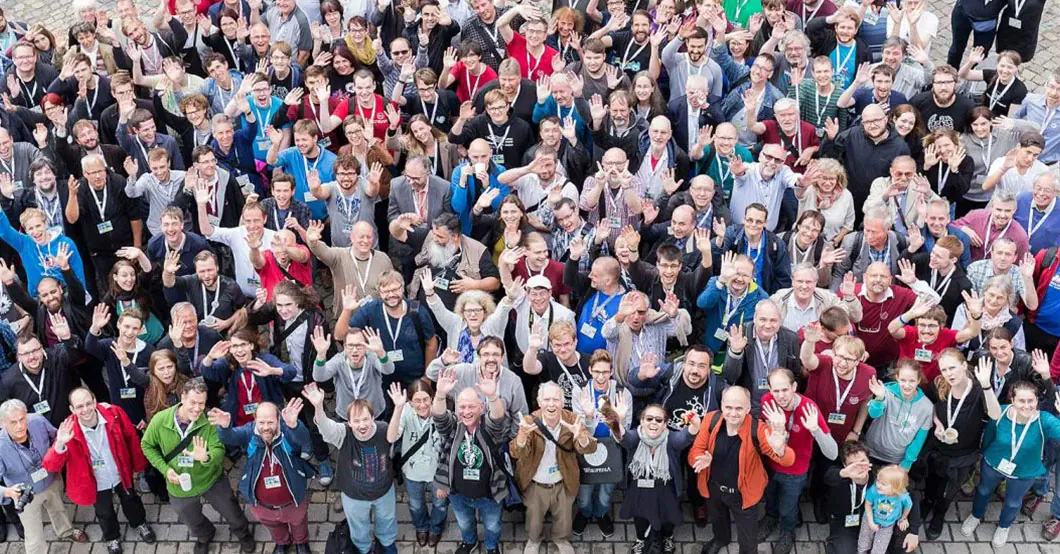
Wikimedia Deutschland chooses self-hosted Mattermost for secure collaboration and data sovereignty
Wikimedia Deutschland chooses self-hosted Mattermost for secure collaboration and data sovereignty
Explore Customer Stories
Case Studies
How Türk Telekom's SOC Team Eliminated Tool Fragmentation and Boosted Productivity by 40% with Mattermost
Read Story Case Studies
Wikimedia Deutschland chooses self-hosted Mattermost for secure collaboration and data sovereignty
Read Story
Case Studies
How Enelyst powers a global energy intelligence community with Mattermost
Read Story
Case Studies
Access Now increases focus & security with self-hosted Mattermost
Read Story
Case Studies
DAIR moves from Slack to Mattermost for data sovereignty & data retention controls
Read Story
Case Studies
The LISA Consortium replaces Slack with Mattermost for data sovereignty
Read Story
Case Studies
Sida moves to Mattermost to improve focus & increase operational resilience
Read Story
Case Studies
Mattermost enables mission success in Operation Allies Refuge
Read Story
Case Studies
European public agency chooses Mattermost & Pexip for secure collaboration, replacing Skype for Business
Read Story
Case Studies
Data For Good moves from Slack to self-hosted Mattermost for data sovereignty, open core flexibility
Read Story
Case Studies
KSW modernizes comms with self-hosted Mattermost, protecting sensitive data & accelerating response times by 30%
Read Story
Case Studies
German Informatics uses Mattermost to accelerate research timelines 6x & ensure GDPR compliance
Read Story
Case Studies
CyberPeace moves to self-hosted Mattermost for data security & user-friendly design
Read Story
Case Studies
Finding focus & data sovereignty: A leading data science hub moves from Slack to Mattermost
Read Story
Case Studies
Spamhaus uses Mattermost to accelerate communication and strengthen online trust & safety
Read Story
Case Studies
F-sektionen inom TLTH consolidates comms, bringing 90% of mission-critical data to Mattermost
Read Story
Case Studies
Classact speeds up IT service delivery by consolidating communication, accelerating incident response by over 50%
Read Story
Case Studies
Elevating retail resilience: How Tulip slashed incident response times by 50% to 60% with Mattermost
Read Story
Case Studies
Empowering cyber resilience: How a nonprofit CERT safeguards mission-critical infrastructure
Read Story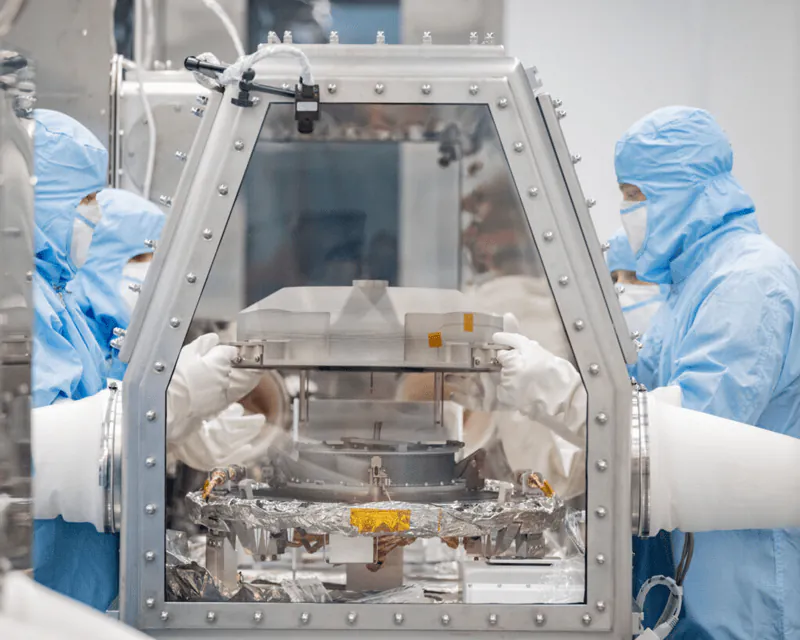
Case Studies
Connecting OSIRIS-REx's global team for innovative research while maintaining data sovereignty
Read Story
Case Studies
Fujitsu Customers with Biodrug Design Accelerator (BDA) use Mattermost to power secure collaboration
Read Story
Case Studies
The Max Planck Digital Library uses Mattermost to accelerate research workflows, maintain data sovereignty & ensure compliance
Read Story
Case Studies
NetFoundry uses Mattermost with OpenZiti for zero trust internal and external communications
Read Story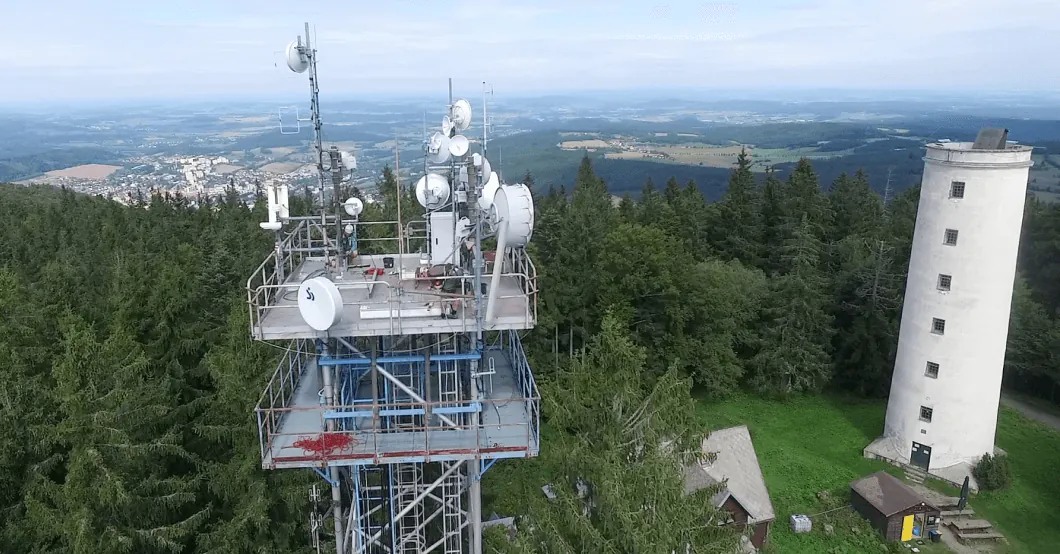
Case Studies
Pramacom uses Mattermost to accelerate workflows & keep Czech citizens safe
Read Story
Case Studies
AlmaLinux uses Mattermost as a gathering spot for a global open source community
Read Story
Case Studies
Ergon Informatik AG uses Mattermost to equip every developer with the perfect tool for the job
Read Story
Case Studies
BITSKIN uses Mattermost to increase technical team productivity
Read Story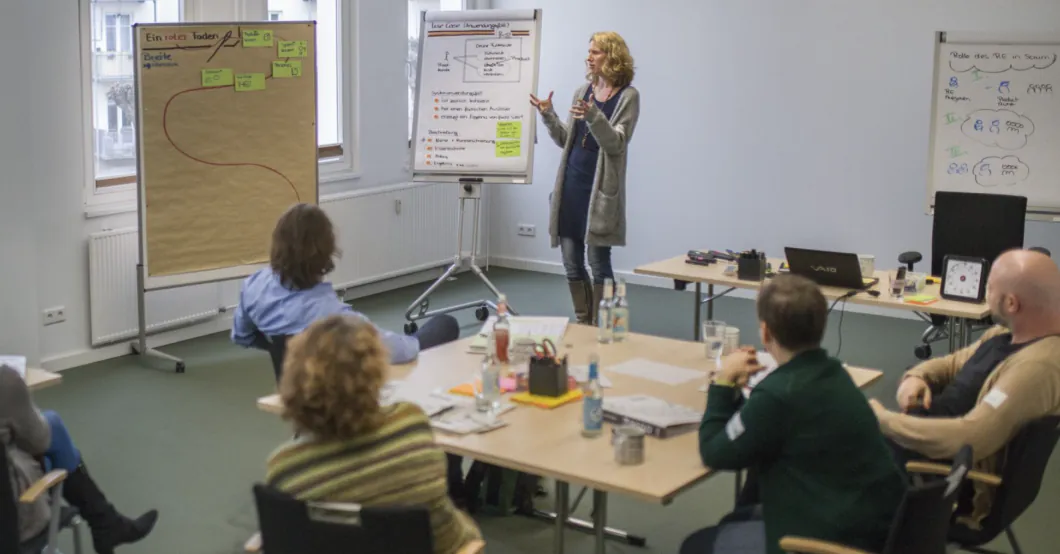
Case Studies
oose uses Mattermost to minimize meetings & automate workflows
Read Story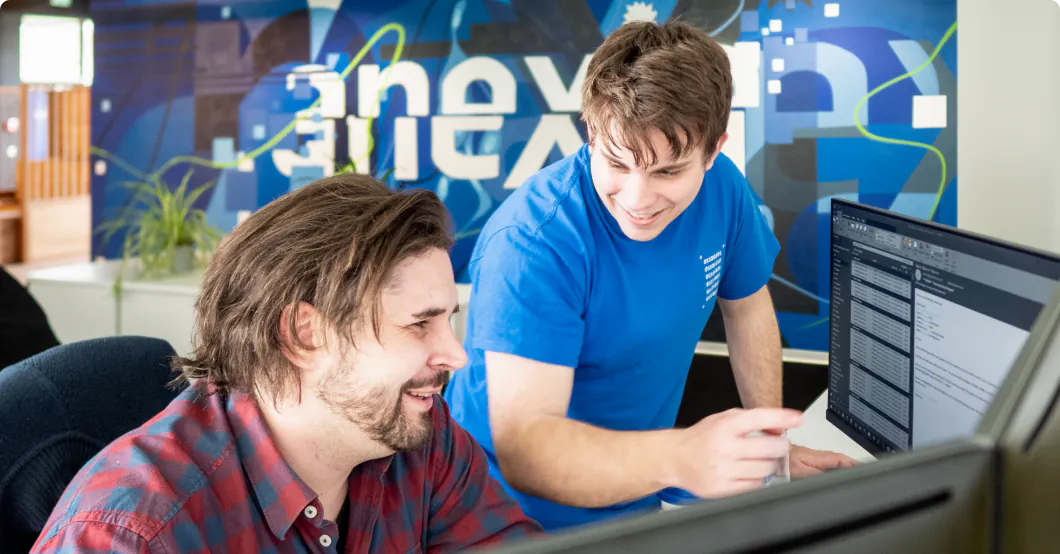
Case Studies
Anexia consolidates tools and workflows with Mattermost, solving long-standing voice collaboration issues with Calls
Read Story
Case Studies
RTE uses Mattermost to manage Paris’ power grid and reduce outage response time
Read Story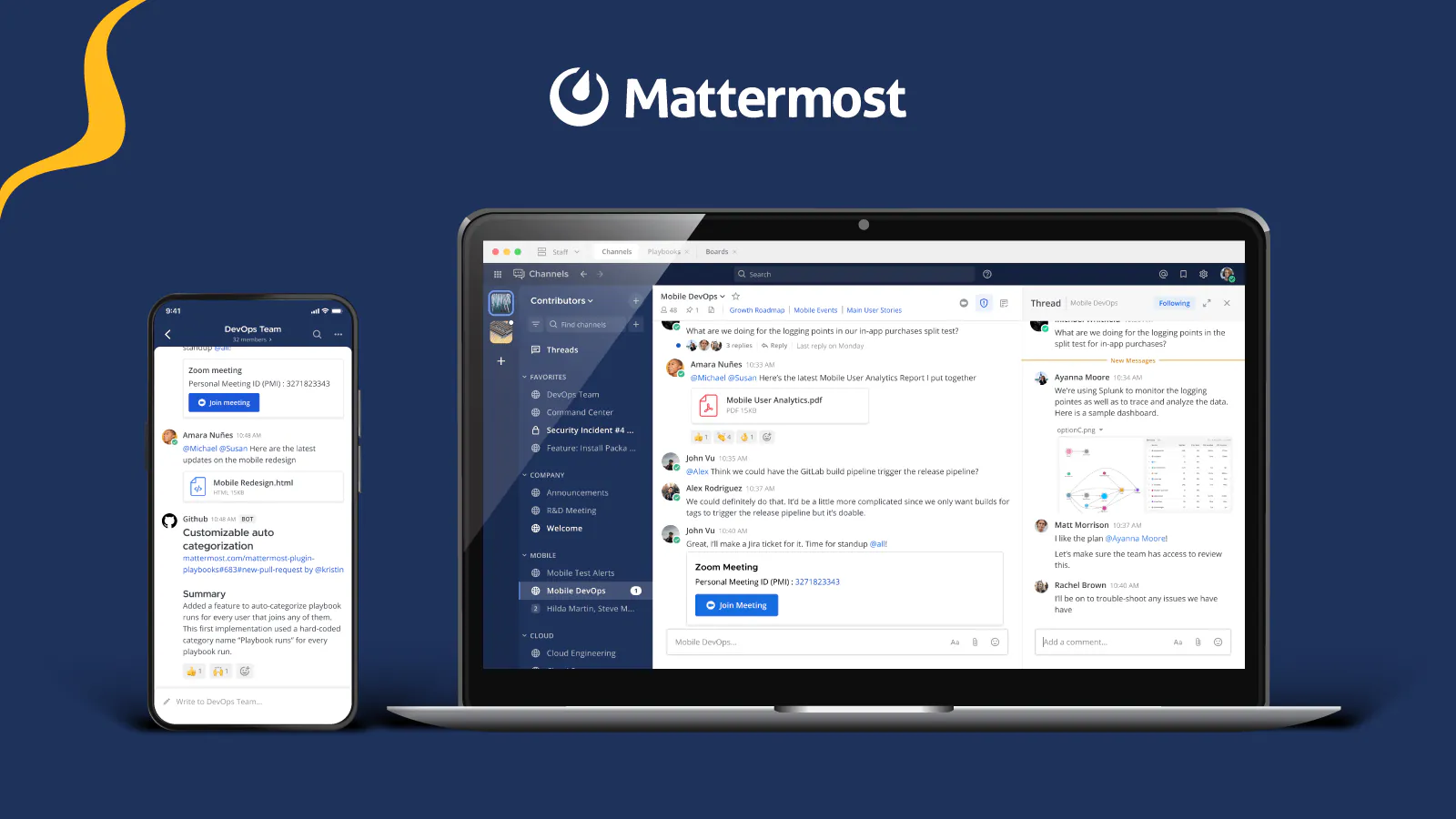
Case Studies
Schäferbarthold uses Mattermost to consolidate developer tools in one place and accelerate workflows
Read Story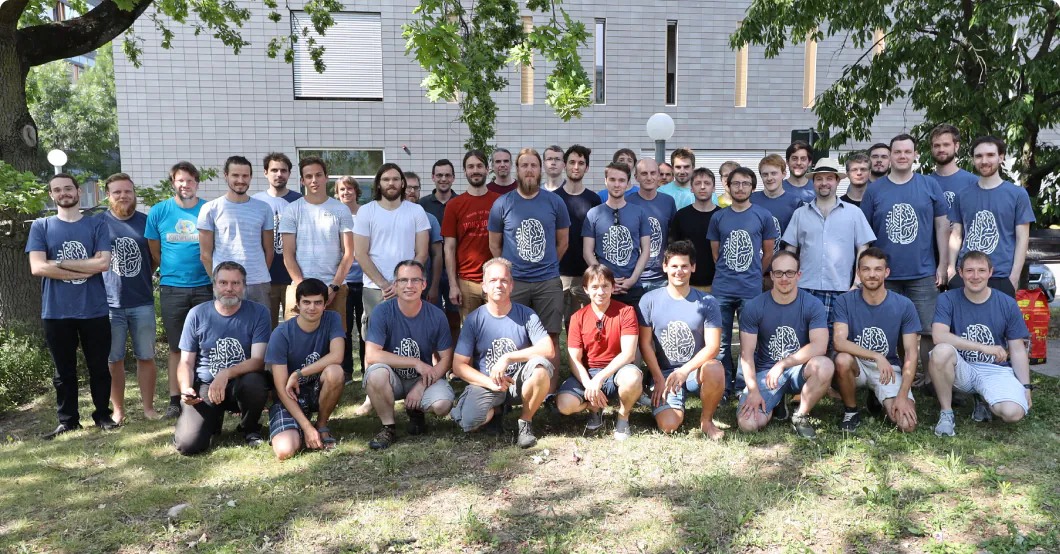
Case Studies
Mattermost helps neuromorphic computing scientists at Heidelberg University stay aligned
Read Story
Case Studies
Mattermost provides Fairphone with user-friendly collaboration and data privacy controls
Read Story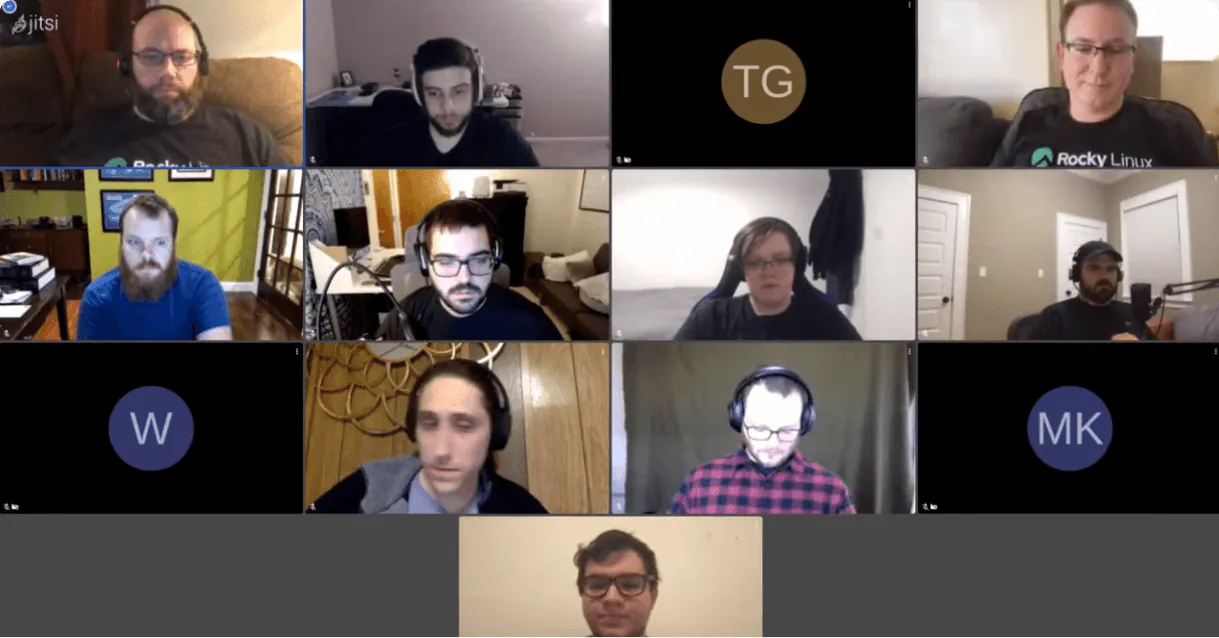
Case Studies
Rocky Linux Uses Mattermost as a Central Collaboration Hub for a Globally Distributed Open Source Community
Read Story
Case Studies
NRI’s journey from HipChat to Mattermost partner
Read Story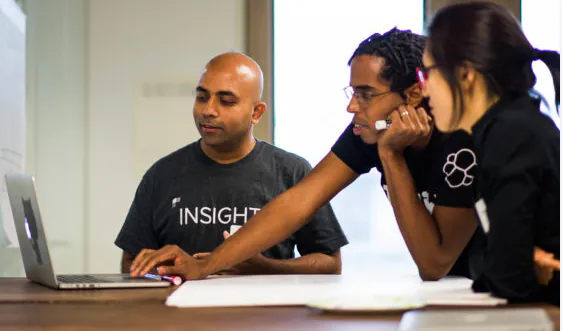
Case Studies
Mattermost enables Insight Data Science to build a scalable communications hub
Read Story
Case Studies
Mattermost helps Worldline bring a global team together, accelerate knowledge-sharing, and increase developer productivity
Read Story
Case Studies
Mattermost chosen by CERN for secure, self-hosted messaging and collaboration
Read Story
Case Studies
Mattermost delivers HIPAA-compliant collaboration and a faster support process to Crossover Health
Read Story
Case Studies
Oetker Digital migrates from HipChat to Mattermost for messaging
Read Story
Case Studies
Galois selects Mattermost for company-wide collaboration
Read Story
Case Studies
LAIKA empowers creatives while keeping assets secure on Mattermost
Read Story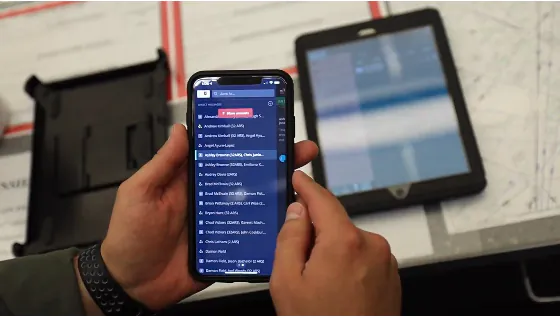
Case Studies
The U.S. Department of War Relies on Mattermost on Platform One for Secure Collaboration
Read Story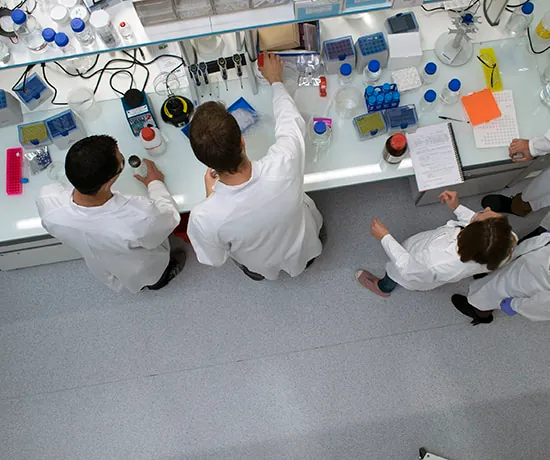
Case Studies
MedinCell relies on Mattermost for secure, collaborative drug development
Read Story
Case Studies
Air Mobility Command Uses ChatOps to Support Largest-Ever Readiness Exercise
Read StoryNo stories match your selected topics.

See Our Platform in Action
Experience a secure collaboration environment tailored to your mission workflow.
