



The gap between an AI demo and an AI workflow is rarely the model. It’s whether a team can shape the agent around its work, keep that context current, let it take action without losing accountability, and get back to the source material when the answer matters.
Most teams have something AI-shaped in chat by now. They also have prompt fragments in Notion, requests for one-off bots, and a lingering habit of switching back to manual work whenever the stakes rise. The interesting part arrived. The repeatable part did not.
Mattermost Agents V2 is about that second part. It turns agents from a neat conversation into something a team can actually own: build the right agent, save the prompts that matter, let it act in the same channel where the work happens, and pull grounded answers back out of the archive.
We will go deeper on each of those in the coming weeks. This post is the map.
Self-Service Agents and Custom Prompts: From Prompt Lore to Team Assets
The first change is ownership. Teams can build the agent they actually need instead of describing one to someone else and waiting for it to come back. A marketing team can shape an agent around brand voice and campaign context. An operations team can shape one around shift handovers and maintenance notes. A security team can shape one around the tools and playbooks it already trusts.
That matters because the agent is only half the asset. The other half is the workflow knowledge around it: the prompt that produces a clean handoff, the review prompt a team has tuned over months, the recurring question people ask every Monday morning. In V2, those prompts stop living as copy-paste lore. They become saved, shared, reusable building blocks that stay with the team that uses them.
This is where self-service agents and custom prompts start to feel like the same story. One gives a team its own operating context. The other makes that context reusable.
Multiplayer, In-Channel Tool Calling: Action You Can See
Useful AI eventually stops being just a source of text and starts touching other systems. That is where most teams get cautious. The hard question is not whether an agent can call a tool. It is whether that action stays legible to the people who have to live with it.
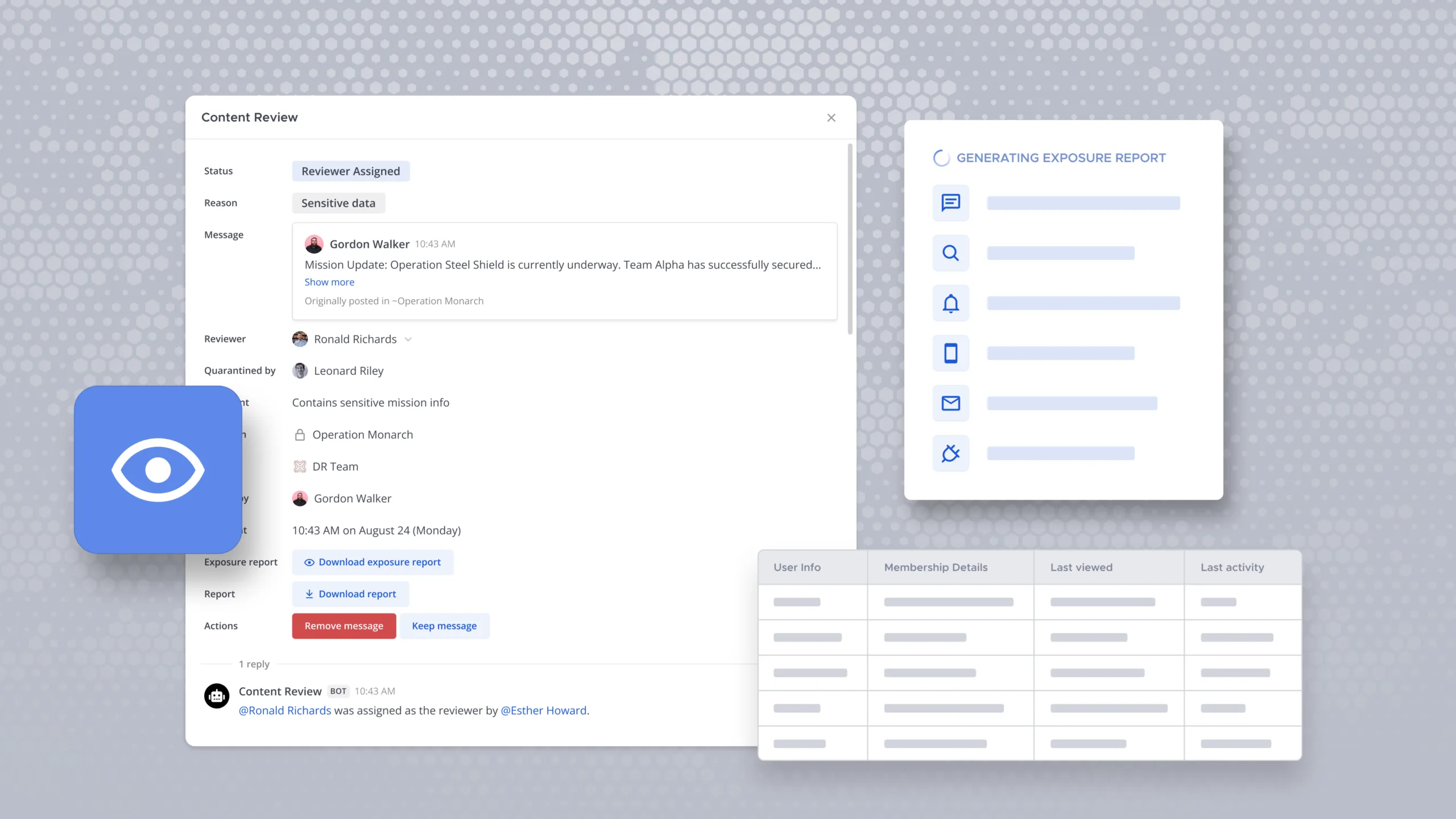
V2 puts that action back in the channel. An agent can propose a tool call in the conversation that asked for it, and the person who initiated the work stays in control of the approval. The call does not disappear into a side panel, a separate audit log, or a quiet integration running somewhere else. It stays attached to the work.
That matters most in shared operational channels. When AI takes an action in ~incident or a response room, the surrounding team needs to see that something is happening and who owns the decision. The later deep dive gets into the approval model, visibility rules, and security details. The big point here is simpler: action becomes collaborative instead of opaque.
AI-Enhanced Search: Memory That Answers Back
Chat history is full of answers teams already worked out once. The problem is getting back to them without asking someone to remember the exact thread, the exact phrasing, or the exact week it happened.
V2 makes that history more usable. Ask what happened in ~release this week. Ask for the thread about the Q3 budget cap. Ask for the prior discussion that set the current policy. The answer comes back with citations that resolve to the original posts, so the agent isn’t just summarizing from memory — it’s pointing you back to the record.
That is the difference between a chat assistant that sounds informed and one that helps a team recover context under real time pressure. The deep dive goes further on semantic search, citations, and the current EXPERIMENTAL product labeling around AI-Enhanced Search. The headline here is that the archive stops being passive.
One Operating Model, Not Four Features
These capabilities make the most sense together. A team-built agent can carry saved prompts, use approved tools in the same channel where the work is happening, and retrieve grounded answers from the conversations the team already owns. Each part makes the others more useful.
That’s also why V2 matters in regulated and self-hosted environments. This isn’t a SaaS-only assistant bolted onto the side of the product. It’s the same operating model for teams that need governance, deployment control, and clear accountability alongside AI capability. The environment is part of the feature.
We will spend the next few weeks going deeper on each piece. This post is the throughline: Mattermost Agents V2 isn’t just about adding more AI, it’s about making AI usable as part of how a team actually works.
Try It Today
If you’re already running Mattermost, open the Agents page and build one agent for a real team workflow. Save one prompt people keep pasting. Run one governed action in-channel. Ask one question that used to require scrolling back through a week’s worth of posts.
That’s the fastest way to understand what changed.