


Mattermost, archTIS, Arqit, and Whitespace are collaborating to deliver a sovereign, AI-enhanced, data-centric, and post-quantum-secure operational collaboration capability for Defence Ministries, NATO Allies, and coalition partners worldwide.
Together, the four organisations are creating a single, integrated command-and-control surface that no single vendor could deliver alone, bringing secure collaboration, data-centric policy enforcement, cryptographic trust, and AI-powered decision support into one operational environment.
As defence organisations operate across increasingly complex, distributed, and coalition-based environments, the challenge is no longer just enabling collaboration. It is ensuring that operations are secure, controlled, adaptive, and continuously improving. This joint capability is designed to meet that challenge directly.
A Single Operational Surface for Mission Execution
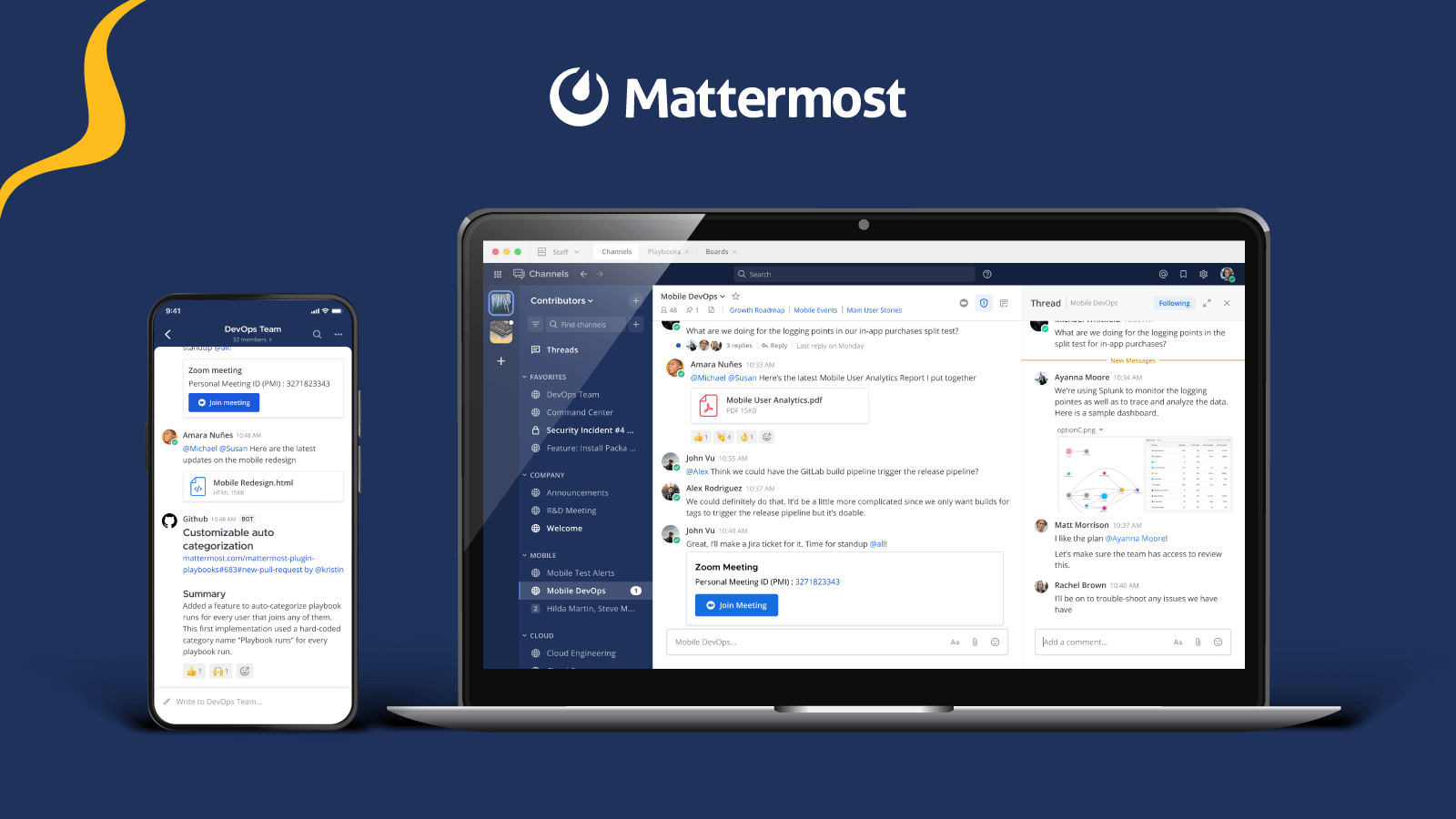
At the core of this collaboration is a unified command-and-control surface through which operators can access targeting workflows, intelligence feeds, playbooks, AI agents, and partner applications.
Mattermost provides the sovereign, deployment-agnostic collaboration layer that connects teams, workflows, and partner applications across the connectivity spectrum, supporting operations in connected, disconnected, and contested environments.
This creates a consistent operational interface where coordination, decision-making, and execution can take place without fragmentation across multiple tools and systems.
Embedding Policy and Control into the Flow of Operations
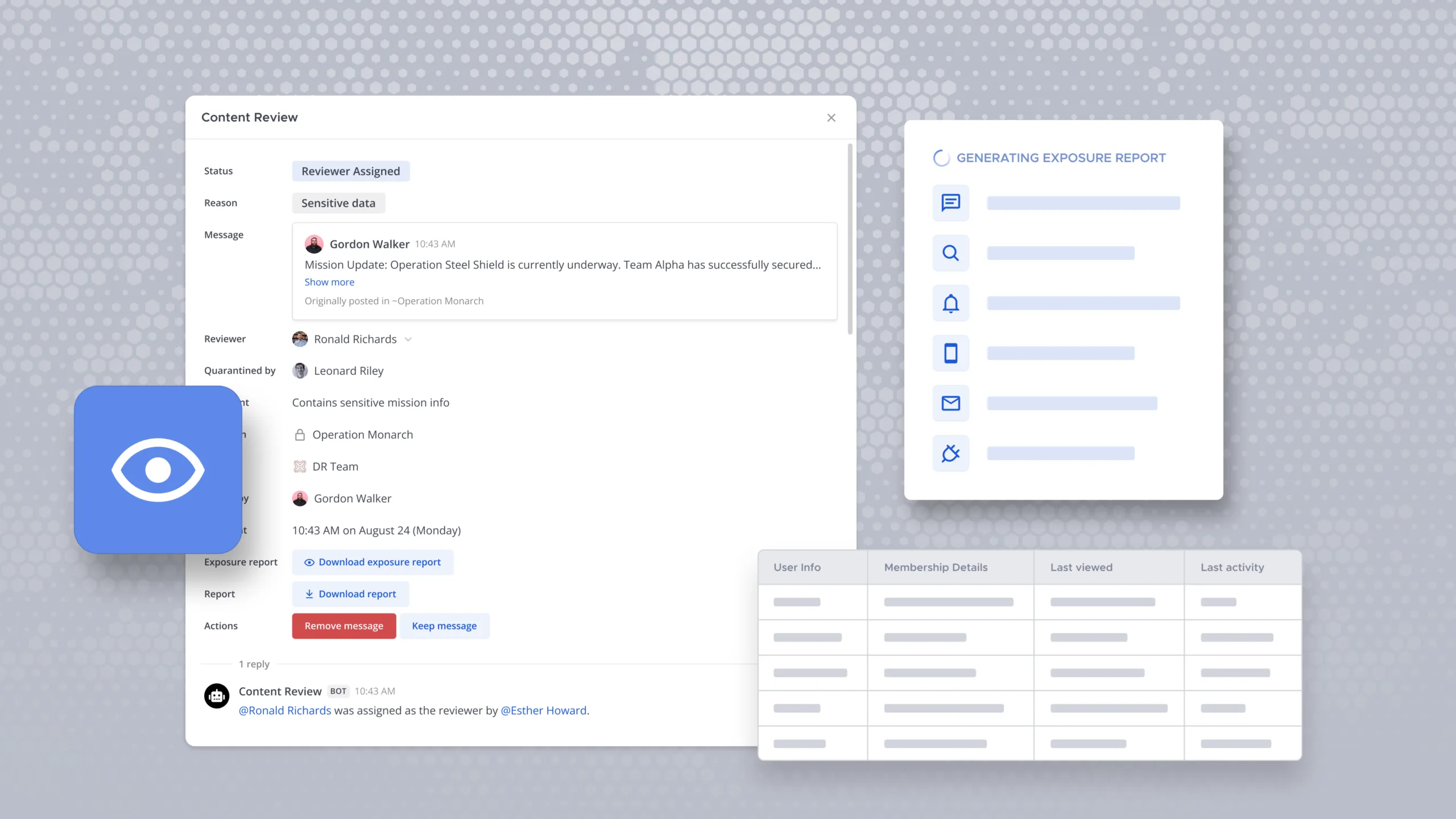
archTIS brings Zero Trust data-centric security and policy orchestration to the environment through Attribute-Based Access Control (ABAC), acting as a real-time central Policy Decision Point across Mattermost, Microsoft Office documents, and integrated applications.
Access decisions are dynamically enforced against the data security policy based on attributes such as data classification, user clearance, nationality, role, need-to-know, and device posture.
This embeds policy directly into the operational workflow, ensuring that control moves with the data, not just the user.
Establishing Cryptographic Trust at the Device Level
Arqit adds a second layer of zero-trust security through post-quantum cryptographic device authentication.
This ensures that only verified devices operating on trusted networks can access protected collaboration environments, independent of application-layer access control.
Trust is continuously verified at the device level, providing resilience against both current and future threats.
Closing the Loop from Action to Learning
Whitespace brings AI-powered institutional learning and decision support into the operational environment, enabling defence organisations to capture after-action insights, structure them into the NATO ODCR framework, Observations, Discussions, Conclusions, Recommendations, and move from lessons identified to lessons learned at speed and scale.
This closes the Sense → Decide → Effect → Learn cycle, ensuring that every mission contributes to improved future performance.
An Integrated Capability Greater Than the Sum of Its Parts
Individually, each capability addresses a critical aspect of modern defence operations. Together, they create a single integrated operational environment that connects collaboration, control, trust, and learning within one operational surface.
This enables defence teams to:
- Coordinate across coalition partners and classification boundaries
- Enforce policy dynamically across channels and documents
- Maintain cryptographic assurance from device to mission
- Continuously learn and adapt from operational outcomes
All within a sovereign, interoperable environment designed for real-world mission execution.
Demonstrating the Capability in Action
This integrated capability will be demonstrated at AFCEA TechNet International in Brussels from 9-10 June and Eurosatory in Paris from 15-19 June, showcasing how secure collaboration, data-centric policy enforcement, post-quantum security, and AI-driven decision support can be combined in a real-world operational scenario.
The demonstration provides a practical view of how defence organisations can operate more effectively across complex, distributed, and coalition environments.
A Force-Multiplying Collaboration
“Modern defence operations require more than isolated capabilities. They require integrated environments that can securely connect people, systems, and data while adapting at operational tempo. By bringing Mattermost, archTIS, Arqit, and Whitespace together, we are combining secure collaboration, policy enforcement, cryptographic trust, and AI-powered learning into a single operational surface designed for the realities of coalition operations.”
— Jason Blais, VP Product & NATO Alliances, Mattermost
“Sharing and collaborating on classified data across integrated platforms requires security controls that not only meet compliance requirements, but also enable the right people to access the right information at the right time. archTIS is proud to provide the Zero Trust security platform that helps the joint capability address the security needs of complex operational environments and mission partner collaboration.”
— Daniel Lai, Managing Director and CEO, archTIS
“Combining sovereign quantum-safe encryption, zero-trust security, archTIS data-centric protection, and Whitespace AI with Mattermost’s collaboration platform does not just integrate tools. It gives demanding users a genuine operational advantage.”
— Seán Carnew, Senior Director Government & Defence, Arqit
“Modern defence operations demand more than isolated tools or static workflows. They require operational environments that can adapt, learn, and support decision-making at operational tempo.”
— Paul Jenkinson, CEO, Whitespace
Together, Mattermost, archTIS, Arqit, and Whitespace are delivering a force-multiplying capability that places sovereign, policy-enforced, AI-enhanced, and cryptographically assured collaboration at the heart of alliance and coalition operations. The joint capability enables defence teams to coordinate more effectively, maintain control of sensitive information, and continuously improve mission outcomes within a single integrated operational environment.